Genocidal Office Politics
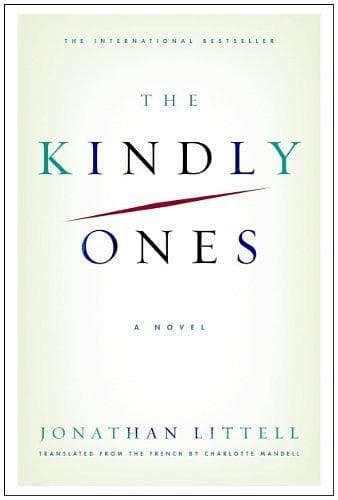
Jonathan Littell’s The Kindly Ones is a complex and harrowing journey through the atrocities of the Second World War, narrated by a former SS officer whose increasingly unstable mind becomes the lens through which we witness history.
A Slow and Methodical Start
The novel begins slowly, with a quick introduction into where the narrator is now before launching into personal reflections, and seemingly mundane events leading up to the push into the Soviet Union in 1941. We are mostly in the rear, in Ukraine, as the plans for mass murder and genocide are slowly enforced. This groundwork becomes essential for understanding the protagonist’s descent into unreliability and madness.
Littell forces the reader to wade through some tedium, as little by little the horrors increase. Our narrator is an ardent Nazi, but is cultured and civilised - at least at first. A closet sexual deviant, his personal secrets bleed out through the book. He, and many of his friends are repulsed by their work, most either do it from duty, fear or necessity based on their worldview - he wants to face the reality of war and this version of it, even though he knows it is the worst kind invited by man with normal war being "pure" in comparison. We are presented with good family men who fell into jobs that happened to involve murdering thousands of people, they were crushed by history, if they were born in America or Mexico they would have never had to do this "it's not the front" and it put bread on the table. Only some were sociopaths, more later on.
Shoah by Bullets
The book doesn’t shy away from visceral and brutal depictions of Nazi atrocities. From mass shootings to the grim realities of Stalingrad and beyond, Littell leaves nothing to the imagination. One of the most jarring aspects is the juxtaposition of bureaucratic banalities against the monstrous acts being committed. For example, he's sent to Stalingrad as punishment for not pushing for the extermination of a group of "mountain Jews" who converted to a form of Judaism at some time in the past, rather than being racially Jewish. His superiors needed higher extermination numbers to look good compared to their rivals in order to attain promotions. Simple (genocidal) office politics. We also get a view into the minds of those tasked with mass murder. Normal people did not like it and broke down quickly. It was outsourced to Ukrainian auxiliaries, German police or locals wherever possible. The Shoah by gas was designed partly to help with the mental issues of German soldiers.
Later there’s the ironically idealist prosecutor in Auschwitz, rooting out theft and the "improper conduct" of killing Jews that were due to die the wrong way because "justice must be done" - even in a death camp. It’s absurd, chilling, and true despite being almost unbelievable, yet entirely fitting for the distorted logic of the time.
Unreliable and Unhinged
As the story progresses, particularly after being shot in Stalingrad the narrator becomes increasingly untrustworthy. By the end, I was left questioning what was real and what was the product of his fractured psyche. While the historical events and most characters remain grounded in fact, the narrator’s personal accounts blur the line between reality and delusion. Despite relatively lowly rank he directly interacts with most of the Nazi top brass - aided by his benefactor, a fictional grotesque industrialist who is too fat to walk or bathe but has a harem of hot blonde assistants. There are murders, sickness and two cartoonish investigators that take us away from the historical story. This unreliability adds an extra layer of disquiet, forcing you to constantly re-evaluate your perspective.
The sections on Himmler and Adolf Eichmann are incredibly revealing - again simply more genocidal office politics though pushing back on Hannah Arendt's "Banality of Evil" thesis.
Long and Overwhelming
The novel is infamously long, not just in pages but in its construction. Littell writes with sprawling sentences and dense overwhelming chapters. What’s worse - the vivid descriptions of children being murdered or the lack of paragraphs?
Towards the end (but still 200 pages from it) the author speeds up noting that the readers must be getting bored. Indeed. But it did not save us from another long and weird dream-like sequence when alone in his sister’s house. There are several sections like this that I found very frustrating. A shorter glimpse into a deteriorating mind would surely suffice.
Should you read This?
The Kindly Ones is not a book I’d recommend lightly. It’s a monumental work, first rate for both historical accuracy* and human psychology but also deeply unsettling and not without flaws. I feel it could have been just as powerful being 200 pages shorter without the dream sequences. Even if I accept they mirror the chaotic and horrifying subject matter. Despite this, the novel’s ability to provoke thought, discomfort, and introspection is undeniable.
*assuming you know what is for sure fiction.